As the summer heat gives way to crisp autumn air, September is a crucial month for gardeners and homeowners in the Boston area. The cooler temperatures and increased rainfall make it an ideal time for planting, lawn care, and preparing your landscape for the winter months ahead. Whether you’re looking to add new plants, refresh your garden beds, or ensure your lawn stays healthy, here are some essential plant care and maintenance tips for this transitional season.
Best Plants to Add in September
Fall is one of the best times to plant perennials, trees, and shrubs in New England. The soil is still warm from summer, which helps roots establish before the ground freezes. Consider planting:
Perennials: Coneflowers, black-eyed Susans, asters, and sedum thrive in New England and will come back strong next year.
Spring-Flowering Bulbs: Plant tulips, daffodils, and crocuses now for beautiful blooms in early spring.
Shrubs & Trees: September is perfect for adding native trees like sugar maples, red oaks, and flowering dogwoods. Shrubs like hydrangeas and boxwoods also establish well in fall.
Tip: Water newly planted trees and shrubs thoroughly and apply mulch to protect roots from early frosts.
Lawn Care & Maintenance
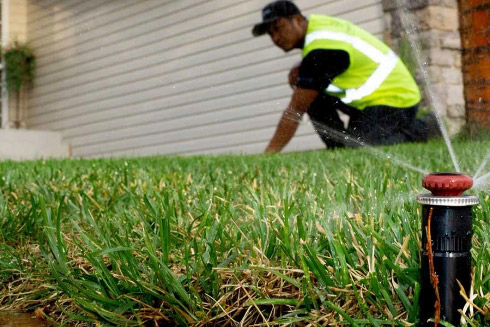
September is an ideal time to revitalize your lawn after summer stress. Here’s how to keep it lush and green:
Aerate & Overseed – Core aeration helps loosen compacted soil, allowing oxygen, water, and nutrients to reach grassroots. Follow up by overseeding with a cool-season grass mix.
Fertilize – Apply a slow-release, nitrogen-rich fertilizer to strengthen roots before winter.
Mow Properly – Keep grass at around 3 inches tall to protect it from sudden temperature drops.
Pruning & Deadheading
Pruning in early fall helps plants maintain their shape and encourages new growth. Here’s what to focus on:
Cut back spent flowers on perennials like daylilies and hostas.
Prune summer-blooming shrubs (like butterfly bushes) but avoid cutting back spring bloomers like lilacs until after they flower next year.
Remove dead or diseased branches from trees and shrubs to prevent winter damage.
Tip: Avoid heavy pruning in late fall, as it may encourage new growth that won’t survive the winter.
Preparing Garden Beds for Winter
Add a layer of mulch around plants to retain moisture and regulate soil temperature.
Remove annuals that have finished blooming and add them to your compost pile.
Plant a cover crop like winter rye in vegetable gardens to enrich the soil for next spring.
Pest & Disease Prevention
Pests and diseases can linger in garden debris, so take preventive steps:
Clean up fallen leaves and dispose of any diseased plant material.
Check plants for insect activity and use organic treatments like neem oil if needed.
Rotate planting areas in vegetable gardens to prevent soil-borne diseases.